Nothing Is Original and That's the Point: How Remix Culture Became the Realest Art Movement Alive
There's a moment in almost every great remix where you catch the ghost of something familiar — a bassline, a color palette, a typeface you swear you've seen somewhere before. That flicker of recognition isn't a flaw. It's the whole point. Remix culture has always lived in that space between memory and invention, and right now, it's thriving harder than ever.
For a long time, sampling and remixing carried a stigma. Critics called it lazy. Labels called it theft. Art school professors raised an eyebrow whenever a student cited a TikTok sound or a Tumblr aesthetic as a primary influence. But something shifted — gradually, then all at once. The creators who grew up on YouTube rabbit holes, SoundCloud loops, and Pinterest boards didn't just consume remix culture. They became fluent in it. And now they're running the show.
Where It Started (And Why It Never Really Stopped)
Hip-hop is the obvious origin story here, and it deserves its flowers. When producers like DJ Premier, Pete Rock, and later Madlib started flipping soul records into something entirely new in the '80s and '90s, they weren't just making beats — they were building a whole new language. Sampling was archival work. It was cultural memory. It said: this came from somewhere, and that somewhere matters.
Visual artists were doing the same thing in parallel. Collage artists, zine makers, and graphic designers were cutting and pasting long before Photoshop made it frictionless. Andy Warhol lifted Campbell's Soup. Barbara Kruger borrowed advertising's own visual grammar and turned it back on itself. The remix instinct isn't new — what's new is how unapologetically mainstream it's become.
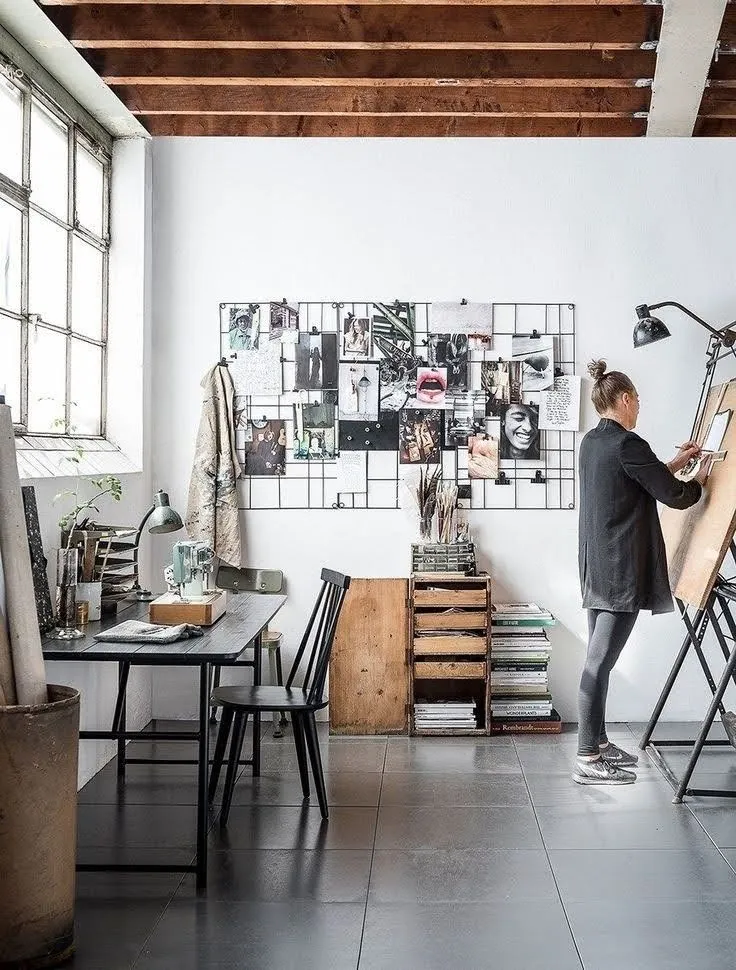
Today, producers like Kaytranada and producers in the hyperpop space are layering references so dense they function almost like footnotes. Visual artists on Instagram and Behance build entire portfolios around aesthetic lineages they openly name-drop. Designers cite their mood boards as part of the work itself. The curtain isn't just pulled back — it's been removed entirely.
Gen Z Didn't Invent the Remix. They Just Stopped Apologizing for It.
Here's what's genuinely different about the current moment: the shame is gone. Younger creators aren't sneaking their influences into the work — they're annotating them. You'll see designers on Twitter (or X, whatever) post a piece alongside a thread explaining every reference, from the Bauhaus grid they lifted to the Spongebob meme they reworked into the color blocking. That transparency isn't weakness. It's a whole aesthetic philosophy.
Part of this comes from growing up in an era of total media saturation. When you've absorbed thousands of hours of content before you're fifteen, originality-as-purity starts to feel like a myth nobody actually believes anymore. The question stops being where did this come from and starts being what are you doing with it.
Mashup artists like Girl Talk made this explicit in the mid-2000s, stacking dozens of samples into a single track and daring you to call it uncreative. But where Girl Talk felt like a provocation, today's remix creators feel like they're just describing reality. Of course everything builds on something. Of course the new thing contains the old thing. What else would it contain?
The Legal Mess Nobody Wants to Talk About
Okay, but let's be real — remix culture doesn't exist in a consequence-free zone, and pretending otherwise would be intellectually lazy. The legal landscape around sampling is genuinely complicated, and it has a history of hitting certain communities harder than others.
The 1991 lawsuit over Biz Markie's use of a Gilbert O'Sullivan sample essentially froze mainstream hip-hop sampling in its tracks, forcing producers to either clear samples (expensive) or go entirely interpolation-based. That ruling didn't affect rock or country artists who were borrowing just as freely — it landed squarely on Black artists and Black music. That's not a footnote. That's context.
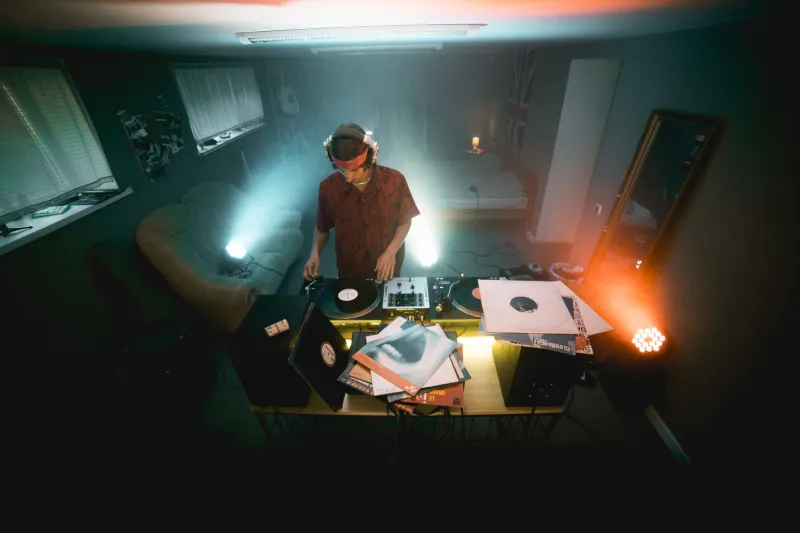
Clearance costs still lock a lot of independent and underground creators out of the remix game, at least commercially. A bedroom producer who flips a classic soul loop might blow up on SoundCloud and never be able to officially release the track. The creative act is free. The business side is a minefield.
Artists navigating this have gotten creative in response — using interpolations instead of direct samples, building entirely new sounds that feel like a reference without technically being one, or releasing work under Creative Commons frameworks that explicitly invite remixing. There's a whole ecosystem of creators working around the legal constraints in ways that are themselves pretty inventive.
When Homage Becomes Something Else Entirely
The ethical questions are murkier than the legal ones, honestly. Legal says: did you pay for it? Ethics asks: are you honoring where it came from, or are you just strip-mining a culture you don't belong to?
This tension shows up constantly in visual design and fashion. A brand that lifts Indigenous beadwork patterns for a capsule collection isn't remixing — it's extracting. A white producer who built a career sampling Black gospel vocals without acknowledgment isn't paying homage — they're profiting. The remix philosophy only holds up when the exchange is real, when there's genuine engagement with the source material and some form of reciprocity, even if that's just credit and context.
The creators who are doing this well understand that difference intuitively. They're not just taking — they're in conversation. The sample is a citation. The remix is a response. There's a relationship there, not just a transaction.
Why This Is the Most Honest Thing Happening in Art Right Now
Here's the thing about traditional notions of originality: they were always a little bit of a lie. Every artist who ever claimed to work in a vacuum was either mistaken or performing. Influences seep in whether you name them or not. The choice is just whether you're transparent about it.
Remix culture, at its best, makes that transparency the whole point. It says: I loved this thing, I learned from it, I wanted to do something with that love. It builds in an acknowledgment of the past that a lot of so-called "original" work quietly erases. In a media landscape where authenticity is constantly being faked and aesthetic trends get strip-mined and flattened for content, there's something genuinely radical about a creative practice that wears its debts on its sleeve.
The remix isn't a lesser version of the original. It's a different kind of creation entirely — one that's rooted in community, in cultural memory, in the understanding that making something new doesn't require pretending nothing came before it.
That might be the most honest artistic philosophy going right now. And honestly? It sounds pretty good.