The Messy Middle Is the New Masterpiece: Why Creators Are Going Public With Their Process
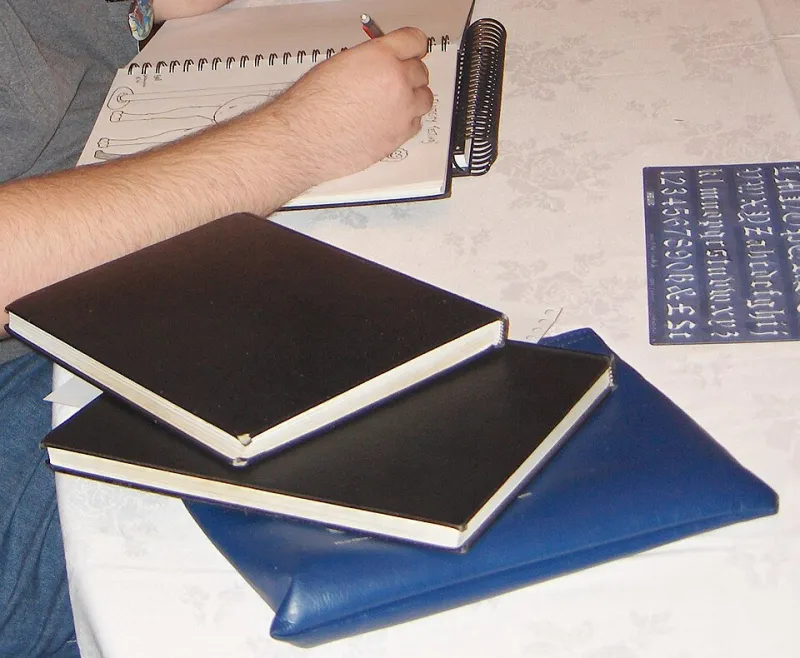
Photo: GreenReaper, CC BY-SA 3.0, via Wikimedia Commons
There used to be an unspoken rule in creative work: you don't show the sausage being made. You suffer in private, you revise in silence, and you emerge — triumphantly, hopefully — with something worth showing. The big reveal was the whole point. The curtain drop. The ta-da.
That rule is quietly getting dismantled, one work-in-progress post at a time.
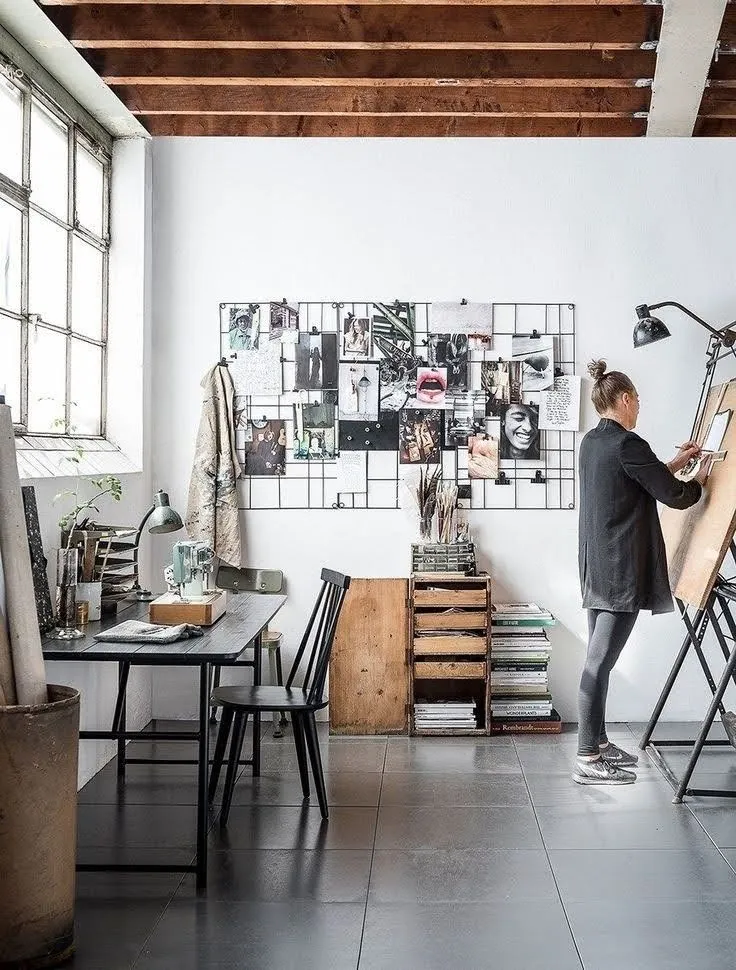
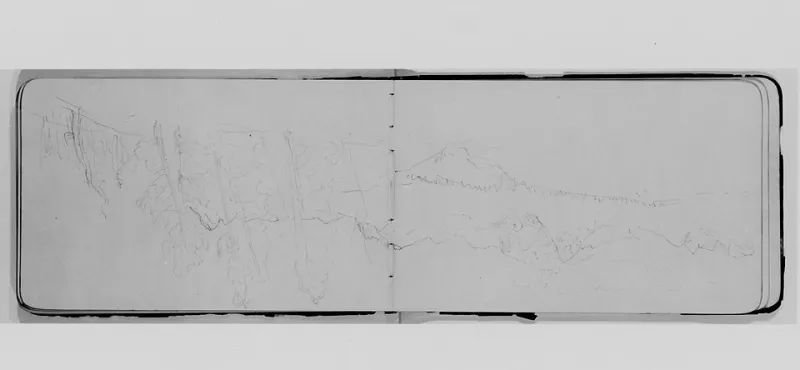
Across TikTok, Instagram, YouTube, and Substack, a growing number of artists, designers, illustrators, and filmmakers are doing something that would've felt almost reckless a decade ago: they're inviting people in before the work is done. Sometimes way before. We're talking rough sketches, half-finished paintings, clunky first cuts, and those brutal middle stages where everything looks terrible and the creator isn't sure it's going to work out. And somehow? People are obsessed.
When the Draft Became the Destination
If you spend any time on design-focused corners of social media, you've probably noticed the pattern. A tattoo artist posts a timelapse of a design going from pencil scratch to final linework — and the pencil scratch gets more saves than the finished piece. A graphic designer shares a carousel where slide one is a chaotic mood board and slide five is the clean, client-ready logo — and the comments are all about slide one. An illustrator films themselves starting over on a piece they hated, and that video outperforms everything else they've posted that month.
This isn't just an algorithm quirk. Something deeper is happening.
Audiences are hungry for proof that creative work is hard. Not in a misery-porn way, but in a reassuring, humanizing way. When a designer you admire shows you the version that didn't work, it collapses the distance between you and them. It says: this isn't magic. It's iteration. It's problem-solving. It's trying things and scrapping them and trying again. That's a message people apparently need to hear constantly, because they keep showing up for it.
The Trust That Transparency Builds
There's a practical dimension to this too, especially for independent creators and freelancers building a client base or a following from scratch.
Showing your process is one of the most effective ways to build trust without saying a word about how trustworthy you are. When a potential client or collaborator can scroll back through your feed and watch how you think — how you solve problems, how you respond to constraints, how you handle the moments when something isn't clicking — they're getting information that a polished portfolio just can't provide. The portfolio shows them what you can do. The process content shows them how you do it and, maybe more importantly, who you are when things get difficult.
For audiences who aren't potential clients but just genuine fans of creative work, the process content scratches a different itch. It's participatory in a way that finished work isn't. When someone follows along with a project over days or weeks, they develop a stake in it. They want to see how it resolves. They've watched the struggle, so the payoff lands differently — with more weight, more warmth. The final piece becomes their story too, in a small way.
The Intimacy That Polish Can't Fake
Here's the thing about a beautifully finished creative product: it's a little bit of a closed door. It's complete. It exists in its own sealed world. You can admire it, be moved by it, even be influenced by it — but you can't really enter it.
Work-in-progress content is a different kind of object entirely. It's permeable. It has gaps and rough edges and visible decision points. Watching a creator navigate those gaps in real time creates a kind of intimacy that no amount of production value can manufacture after the fact. It's the difference between watching a recorded concert and being in the room during rehearsal. One is a performance. The other is an experience.
This is partly why the "making of" format has had such a remarkable second life on social media. Behind-the-scenes content used to be a DVD bonus feature — something you consumed after you already loved the main thing. Now it's often the main thing. Creators are structuring their entire content presence around the journey rather than the destination, and audiences are following them into the weeds without complaint.
The Risk Nobody Talks About
It's worth being honest about the tension here, though, because building in public isn't without its complications.
Showing unfinished work means showing work that might not pan out. It means letting people form opinions about something that isn't done yet, which can be disorienting — especially when the feedback starts rolling in before you've figured out what you're even trying to say. Some creators have talked about the way public documentation can start to shape the work itself, bending decisions toward what seems to be landing with an audience rather than what the creator's instincts are telling them. That's a subtle pressure, but it's real.
There's also the question of what gets lost when the creative process becomes content. When you're filming your studio session, you're not fully in the studio session. There's a split attention that some artists find genuinely disruptive. The documentation impulse can compete with the making impulse, and that's a tradeoff worth thinking about rather than just defaulting to because transparency is currently having a cultural moment.
What This Changes About Creative Culture
Zoom out a little and this trend is doing something interesting to how we collectively think about creative work.
For a long time, the dominant narrative was that great work required secrecy — that the magic would evaporate if you exposed the mechanics. And there's probably still some truth to that for certain kinds of work, certain kinds of creators. But the build-in-public movement is making a compelling counter-argument: that the process is the magic. That watching someone figure something out in real time is its own form of artistry. That the struggle, the revision, the uncertainty — these aren't embarrassing backstory. They're the actual story.
And for a generation of aspiring creators who grew up watching finished, polished work and feeling like they'd never be able to reach that level, seeing the messy middle normalized is genuinely meaningful. It's not just content strategy. It's a kind of permission.
The curtain isn't dropping anymore. Increasingly, the curtain is the show.